
F1 World
- F1 – Fan Phenomenon
- History of F1
- Current State of F1
- F1 Charitable activities
- Technological Sophistication of F1 cars
F1 Fan Phenomenon

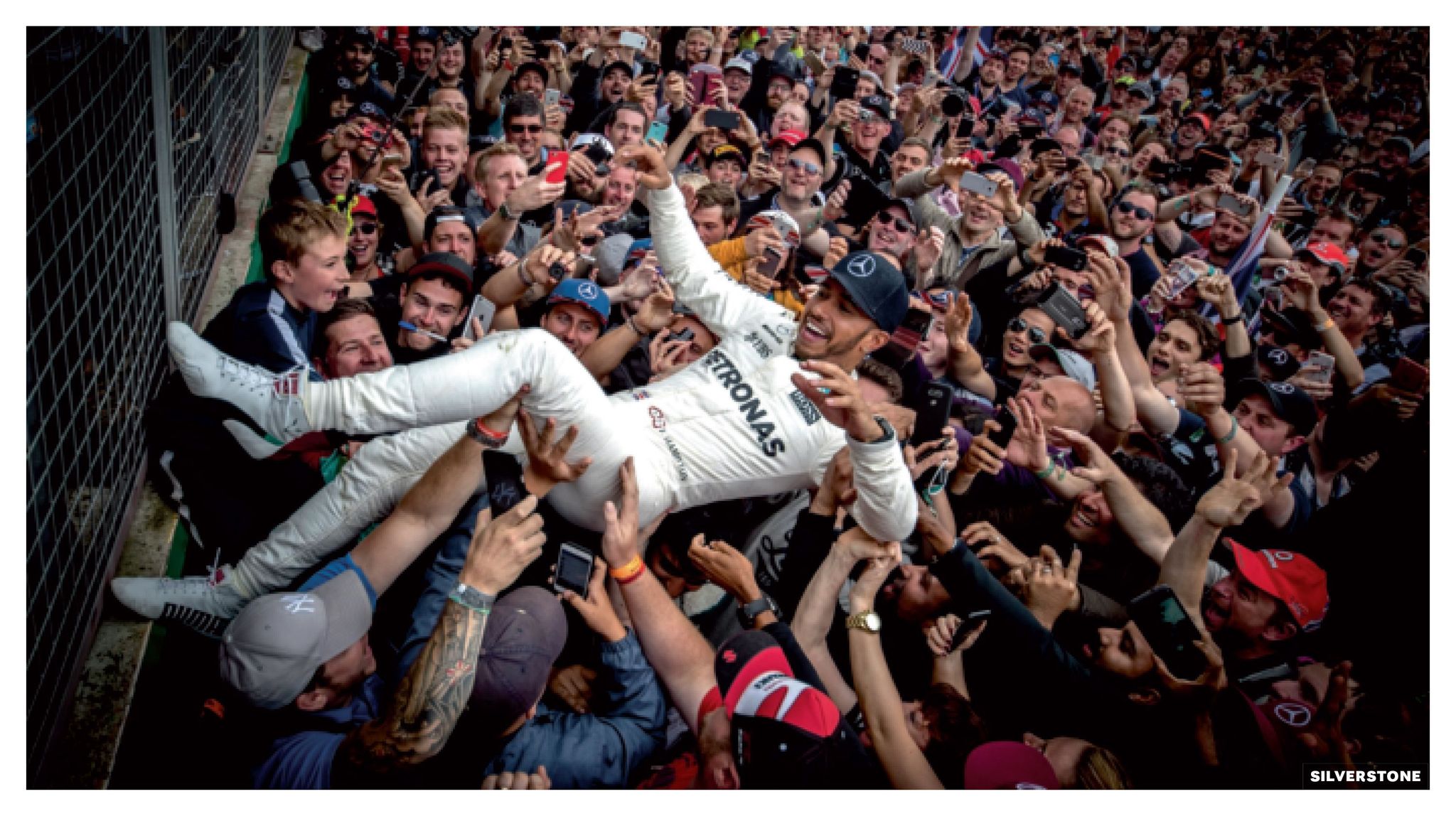
Formula 1 is one of the fastest-growing global sports, with an estimated 445 million TV viewers in 2023. The Netflix documentary series Drive to Survive helped attract a new generation of fans by revealing the drama behind the scenes. Live attendance has also surged — 5.7 million spectators attended races in 2022, including a record 480,000 at the British Grand Prix in 2023.
History of Formula 1

Launched in 1950, Formula 1 quickly became the world’s premier motorsport series. The first official race was held at Silverstone and won by Giuseppe Farina. Over the decades, legendary names like Fangio, Clark, Lauda, and Stewart shaped the sport’s heritage.
Technological innovation has always been at F1’s core, evolving from simple machines to hybrid-powered, aerodynamically optimized cars. Safety has dramatically improved, driven by tragic incidents like the deaths of Jochen Rindt and Ayrton Senna. Today, F1 is a blend of tradition, progress, and spectacle — raced at iconic circuits like Monaco, Monza, and Spa.
The Modern Era of F1
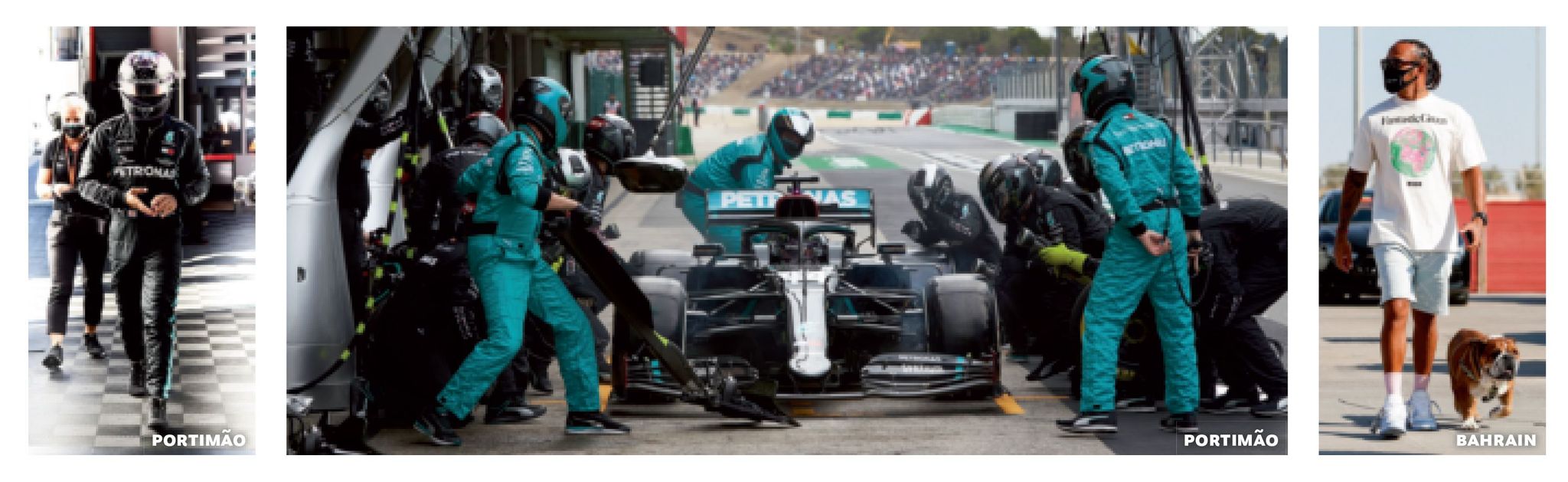
Under Liberty Media’s ownership since 2017, Formula 1 has embraced digital media, expanded into new markets, and introduced new races like the Dutch and Vietnam Grand Prix. A major technical overhaul in 2022 brought cars designed for closer racing and sustainability.
F1 is also becoming more eco-conscious, with goals to reach carbon neutrality by 2030 and introduce sustainable fuels. Efforts to balance team budgets and improve competitiveness across the grid ensure F1 remains both exciting and viable long term.
F1 and Social Responsibility
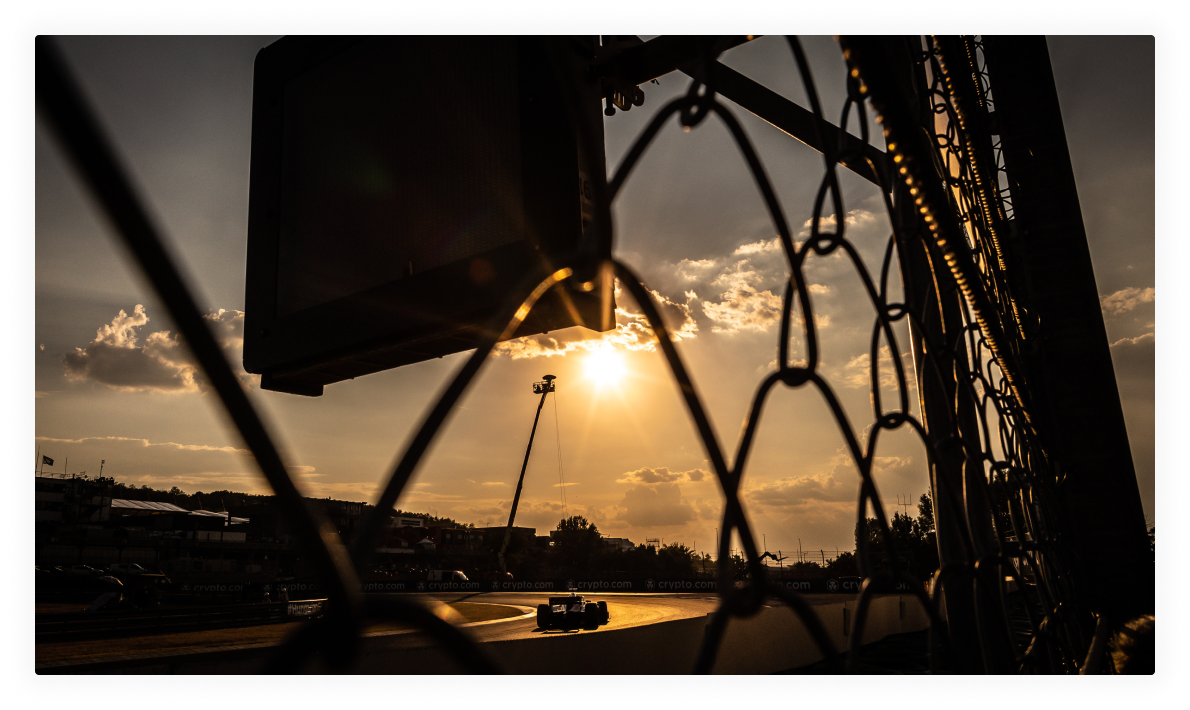
F1 supports global causes through initiatives like WeRaceAsOne, launched in 2020 to combat COVID-19 and promote diversity. The F1 Foundation funds educational and social programs, while partnerships with UNICEF support children’s health and education worldwide.
The sport also reacts to global events — from wildfire relief efforts to disaster response. With growing sustainability efforts and charitable work, F1 aims to use its platform for positive impact beyond racing.
The Technology Behind F1 Cars
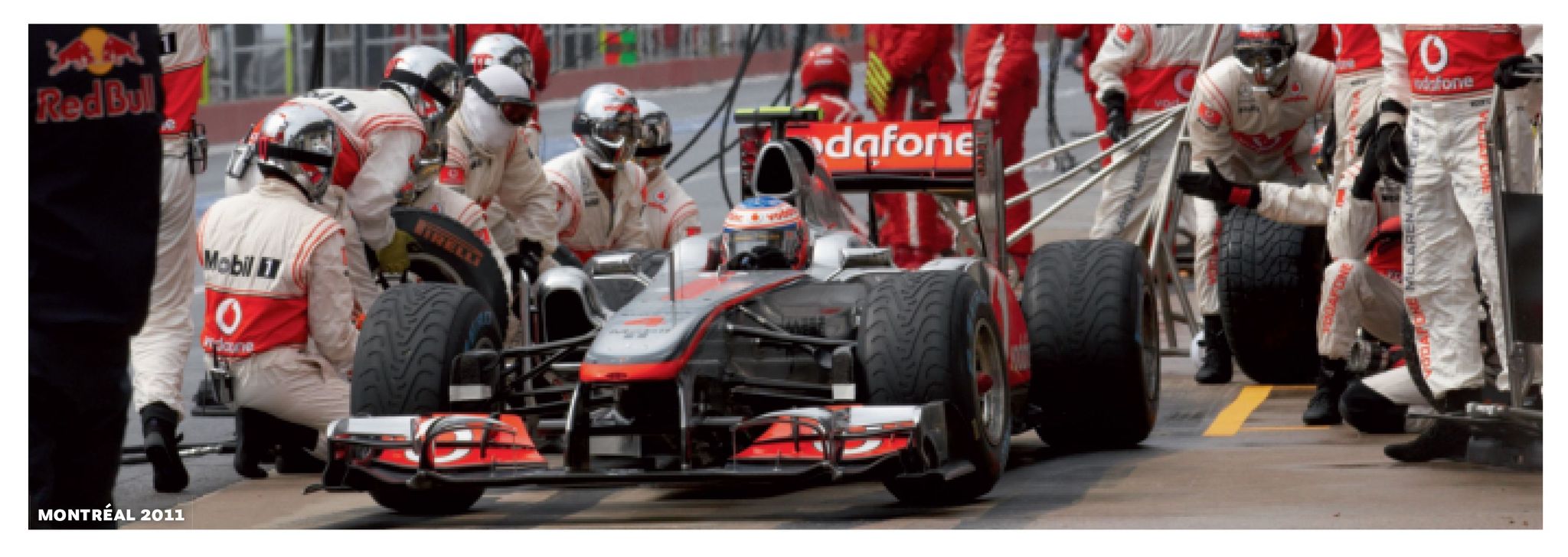
Formula 1 cars are engineering masterpieces. Key innovations include:
- Aerodynamics: Designed to maximize downforce and minimize drag
- Materials: Lightweight carbon fiber construction
- Hybrid Power Units: Combining turbocharged V6 engines with electric motors for performance and efficiency
- Advanced Electronics: Real-time telemetry and optimized control systems
- Braking & Steering: Carbon-ceramic brakes and semi-automatic gearboxes for maximum precision
Ongoing R&D fuels constant innovation, pushing the limits of speed, safety, and sustainability — setting benchmarks for the entire automotive industry.